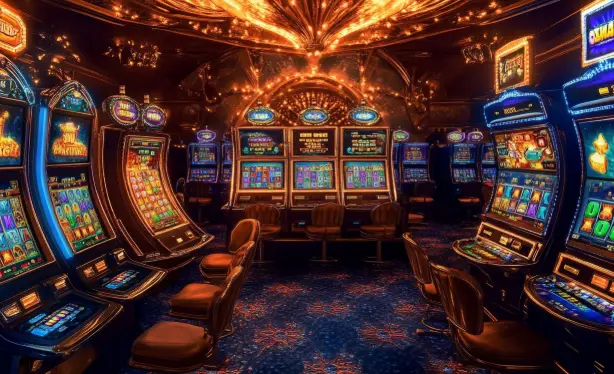
USA Oklahoma Tribal Casino Class II Gaming: The Electronic Bingo Loophole That Casinos Exploit
The USA Oklahoma Tribal Casino Class II gaming framework is not a watered-down version of Vegas-style slots—it is a completely separate legal and technical animal, and the electronic bingo terminals deployed across tribal floors exploit a machine architecture that Class III operators can only dream about. Anyone who thinks these cabinets are just slot machines with a different sticker has never cracked open a Class II terminal and traced the bingo card mapping logic running underneath the spinning reels. I have pulled apart both, and the difference is night and day.

The Class II Definition and Why Oklahoma Tribal Casinos Ride It Hard
Under federal Indian gaming law, Class II covers bingo and certain non-banked card games, and that classification unlocks a regulatory fast lane that Class III compact negotiations cannot touch. Oklahoma tribal operators understand this better than anyone in the country. The state hosts more tribal gaming facilities than any other, and a massive share of those floors run Electronic Bingo in USA terminals precisely because the Class II designation sidesteps state compact approval for slot-style play. The machine looks like a three-reel spinner, feels like a spinner, pays like a spinner—but legally it is a bingo game, and that legal fiction is the entire engine of the business model. 🎰
How Electronic Bingo Machines Actually Work Under the Hood
Here is the mechanism the casual player never sees. An electronic bingo terminal does not randomize symbols the way a Class III slot does. Instead, the internal processor draws a virtual bingo ball set, maps those balls onto a player card, and then translates the resulting bingo pattern into a reel display through a predetermined look-up table. The outcome is decided the moment the bingo draw completes—the spinning animation is pure theater layered on top of a resolved result. This means the RNG is not selecting symbols at all; it is selecting a bingo outcome, and the paytable is bolted onto the bingo pattern hierarchy. That distinction matters enormously for audit trails and for understanding why Electronic Bingo in USA terminals carry a different certification path than traditional slots.

The Bingo Card Mapping Vulnerability Nobody Talks About
When you audit these systems closely, the mapping layer between bingo pattern and displayed payout is where the real engineering risk lives. A bingo draw produces a finite set of possible outcomes, and the terminal firmware must translate each outcome into a specific reel configuration and credit award. If that look-up table is not locked down with cryptographic verification, a compromised firmware image could remap high-frequency bingo patterns to inflated payouts. Tribal operators in Oklahoma have tightened this considerably, but the underlying architecture remains a single point of failure that Class III slot RNGs simply do not share. The bingo card itself—the electronic representation—must be generated fresh each game cycle, and any caching of card states across cycles opens the door to pattern prediction. I have seen older firmware builds where card generation seeded off a predictable timer; that is a fatal flaw and it existed in real deployed cabinets. 🕵️
Oklahoma Tribal Floor Economics and the Class II Advantage
Why does this matter for operators? Because the regulatory overhead of a Class II electronic bingo floor is dramatically lower than a compacted Class III operation, and that margin flows straight to the bottom line. No state compact revenue share means the tribe retains a larger slice of every credit wagered. The trade-off is that the machines must remain genuinely bingo-based—federal auditors can and do inspect the game logic. In Oklahoma, the tribal gaming commissions have built their own certification regimes around these terminals, and the technical documentation requirements are brutal. Firmware versions must be hashed, sealed, and traceable to the exact build deployed on the floor. Any field update to the bingo look-up table requires re-certification. That is not bureaucracy for its own sake; it is the only thing preventing the Class II framework from becoming a legal fiction with no teeth.
Hardware Inspection Points That Separate Clean Floors from Dirty Ones
If you are evaluating a Class II electronic bingo operation, start with the terminal's internal audit log. Every bingo draw, card generation event, and payout mapping must be timestamped and cryptographically chained. A terminal that logs only the final reel result and not the underlying bingo draw is hiding the ball game—literally. Second, check the firmware seal. Physical tamper-evident seals on the logic board enclosure are non-negotiable; if the seal is broken and the log shows no re-certification event, walk away. Third, verify the RNG entropy source. A bingo terminal drawing from a hardware entropy generator with a certified seed protocol is defensible. One drawing from a software PRNG with a fixed seed offset is a lawsuit waiting to happen. 🎲
The Regulatory Moat Around Class II Electronic Bingo
The National Indian Gaming Commission has repeatedly drawn a hard line: if the game is not genuinely bingo, it is not Class II, full stop. That means every electronic bingo terminal on an Oklahoma tribal floor must be able to demonstrate, on demand, that the player is participating in a bingo game with a valid card and a valid draw—not a slot machine wearing a costume. The moment a manufacturer strips the bingo mapping layer and substitutes a direct symbol RNG, the entire Class II legal basis collapses. I have watched operators get burned by vendors who quietly simplified the game engine to reduce computational overhead. That shortcut is not worth the regulatory exposure, and any tribal gaming director signing off on it deserves the audit that follows.