
Red Dog Spread Bet: What Are the Real Odds?
The Red Dog Spread Bet is one of the most misunderstood wagers on the felt, and the true odds are buried under a pile of house-edge math that operators would rather you never calculate. Strip away the felt-table romance and what remains is a side bet with a payout structure that punishes lazy players and rewards anyone who actually runs the combinatorics.
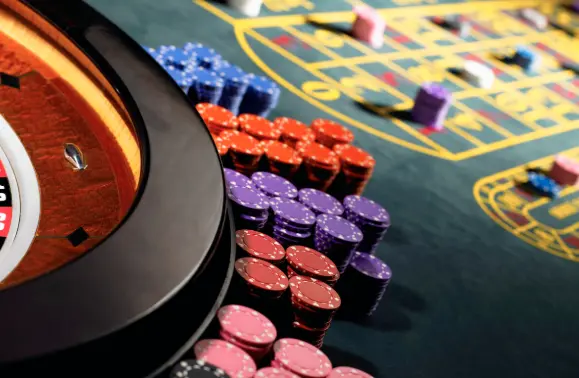
The Mechanic Behind the Red Dog Wager
Here is the raw mechanism. You receive two cards, and the Red Dog Spread Bet pays based on the gap between them. The spread is the number of ranks sitting between your two cards. Deal a deuce and a nine, and the spread is six. The bigger the spread, the fatter the payout — and that is exactly where the trap opens. Most players see a wide spread and assume the odds are generous. They are not. The distribution of spreads across a shuffled deck is brutally skewed toward the middle, and the payout table is engineered around that skew.
The Payout Table Is Not Your Friend
Run the numbers on a fresh deck and the picture turns ugly fast. A spread of one or more, meaning consecutive-card gaps, appears far more often than the casual player estimates. The standard payout schedule hands you even money on a spread of one, then scales up as the spread widens. Sounds fair until you realize the true probability of landing a spread of seven or higher sits well under five percent. The house does not need a rake to print money here — the payout ratios do all the heavy lifting. Anyone who treats this side bet like a coin flip is donating equity 🎯.

Counting the Spread Distribution
Do the combinatorial audit yourself. With 52 cards, there are 1,326 possible two-card combinations. Group them by spread and the frequencies tell a damning story. Spreads of one through three account for the overwhelming majority of deals, while the juicy high-spread payouts are statistical unicorns. A sharp Red Dog Spread Bet player knows the expected value collapses the moment you chase the escalation tiers. The only defensible position is to treat the low-spread even-money zone as the sole mathematically survivable territory, and even there the edge bleeds.
Why the Variance Story Gets Oversold
Vendors love to pitch the spread bet as a low-volatility thrill. Nonsense. The variance profile is deceptive because frequent small wins mask a slow, grinding drain. Hit a spread of seven once and the payout feels heroic, but the frequency is so thin that the long-run expectation stays firmly negative. Track ten thousand hands and the curve bends away from you with mechanical certainty ⚙️. That is not bad luck. That is design.
The Real Odds Verdict
Stack the true probabilities against the posted payout ratios and the real odds on any Red Dog spread wager land somewhere between 2.5 and 4 percent house edge depending on the table variant. Anyone claiming this side bet is beatable with pattern watching is selling fantasy. The only edge lives in the shuffle tracking and deck composition reads that almost nobody actually executes under live conditions. The math does not care about your gut feeling, and the payout table never blinks.